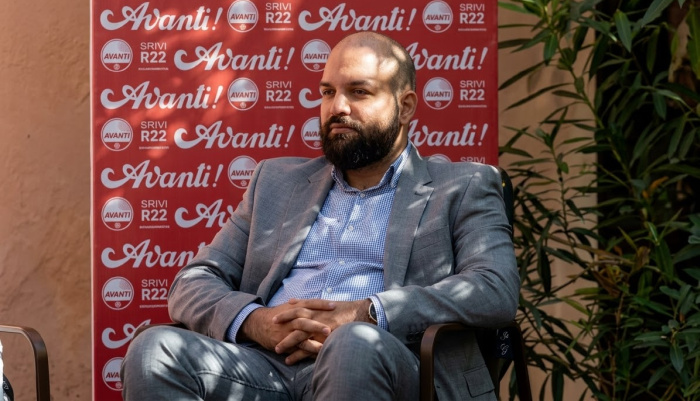
Intervista al Prof. Gabriele Guzzi docente di economia presso l’Università di Cassino
In primo luogo, vorrei ringraziarla per questa sua disponibilità verso l’Avantionline. Lei ha scritto “Eurosuicidio”. Partirei da lì, dall’Europa così diversa da quella seminata a Ventotene. Si sente un declino in Italia per mancanza di strumenti alla crescita. Circa il Trattato di Maastricht, a suo tempo Craxi sosteneva che poiché si tratta di un Trattato di grande portata, esso può essere rinegoziato, aggiornato e adattato alle nuove esigenze reali. Ma ciò non avviene. cosa ne pensa?
“In realtà, per riformare il Trattato di Maastricht serve l’unanimità dei paesi firmatari. E questo rende estremamente difficile una riforma radicale dell’attuale UE. L’allargamento ai paesi dell’est ha ulteriormente irrigidito la struttura. Ma non è stato un errore: l’UE non doveva diventare un soggetto politico, ma un’area economica a disposizione delle èlite del grande capitale finanziario, specialmente del centro Europa.
La seconda domanda si rifà alle banconote dell’euro. Una piccola osservazione che fa riflettere. Sul fronte dove troviamo per esempio la cifra 10, 20,50 e una serie di sigle della BCE in varie lingue, vengono precedute da un piccolo simbolo di diritto d’autore ©. Questo signoraggio affitterebbe le banconote a un valore diverso da quello nominale, qual è la sua funzione? Non si è mai osservato tale simbolo su altre valute.
Il problema dell’euro è più strutturale. Essa è una moneta senza uno stato. Questo crea un’asimmetria di potere che va a favorire le grandi tecnocrazie europee. Oggi, la BCE conta più di tutti gli altri governi europei perché con una sola frase in conferenza stampa, il governatore della BCE può far fallire banche o intere nazioni. C’è un immenso problema di democrazia. Come ho spiegato nel libro, appoggiandomi alla migliore letteratura internazionale e a dati inequivocabili, l’integrazione monetaria europea ha contribuito al declino economico che vive l’Italia negli ultimi 30 anni. Se prima cresceva a tassi maggiori di Francia, Germania, Regno Unito e persino Stati Uniti, dopo si è completamente irrigidita. E questo perché, al contrario dei luoghi comuni, ci siamo adeguati alle impostazioni europee più di tutti.
Lo stratosferico debito USA (sorretto finora dal petroldollaro e spesso) è in mano a cinesi e giapponesi, e in parte all’Europa e al Golfo. Il debito europeo come è ripartito, chi lo mantiene nel suo reale valore? Questo debito sovrano è più nelle mani dei cittadini europei e banche private o la BCE, o investitori esteri?
Il debito europeo praticamente non esiste. È molto esiguo ed è limitato a pochi progetti, come il Next Generation EU. I debiti europei sono più o meno tenuti dai cittadini europei, ma è un problema minore. Il punto è che i paesi europei si indebitano in una moneta che non controllano, e ciò equipara i paesi europei a paesi di terzo mondo, come hanno scritto Krugman, Stiglitz e tutti i più grandi economisti che si sono occupati della questione.
Se si dovesse affermare maggiormente il cosiddetto, Petroyuan- valuta cinese per scambi di ‘grezzo’ con inizio nel marzo 2018- nonché allargata risposta dei Brics al petroldollaro in declino, cosa implicherebbe per il resto mondo?
Implicherebbe una rivoluzione geopolitica. Gli USA si appoggiano al potere militare e al potere valutario. Essi si tengono insieme e vanno giù insieme. La perdita di credibilità militare dell’impero americano sta anche mettendo in pericolo il predominio del dollaro. Non è un fenomeno imminente ma è un processo che comunque è in corso ed è molto temuto dalle élite statunitensi.
Quali le prospettive per questa Europa che necessiterebbe di serie riforme per poter guardare al futuro e quali le prospettive per i giovani visto un sistema spesso accusato di essere ingessato e timido nell’esprimersi nel mondo? In un suo recente reel su Instagram, divide le parti del mondo non più in ideologie ma in pacifisti vs favorevoli alle guerre.
L’UE attuale è la causa del declino economico e geopolitico del continente, e specialmente dell’Italia. L’Eurosuicidio è un processo che è iniziato da tempo. Nel libro, lo faccio iniziare con il rapimento e l’uccisione di Aldo Moro nel 1978. Il volume riporta una serie di dati documentati che testimoniano la connessione oggettiva tra crisi economica, integrazione europea, marginalità geopolitica. Questo prima ha indebolito l’economia e ora ci espone in un clima di guerra da cui non abbiamo niente da guadagnarci. Servirebbe un netto cambio di rotta, per un’Europa davvero forte. Ma oggi il vero europeista deve lavorare per il superamento di questa UE.
Interview with Professor Gabirele Guzzi
(Professor of Economics at the University of Cassino)
First, I would like to thank you for your availability towards Avantionline. You wrote “Eurosuicide.” I would start from there, from Europe turning out so different from the one sown at Ventotene. We feel a decline in Italy due to the lack of tools for growth. Regarding the Maastricht Treaty, Craxi once argued that since it is a far-reaching treaty, it can be renegotiated, updated, and adapted to new real needs. But this is not happening.
Reforming the Maastricht Treaty requires the unanimity of the signatory countries. And this makes a radical reform of the current EU extremely difficult. Enlargement to include Eastern European countries has further rigidified the structure. But this was not a mistake: the EU was not meant to become a political entity, but an economic area available to the elites of big financial capital, especially in Central Europe.
The second question refers to euro banknotes. A small, thought-provoking observation. On the front, where we find, for example, the figures 10, 20, 50, and a series of ECB acronyms in various languages, these are preceded by a small copyright symbol ©. This seigniorage would rent the banknotes at a value other than their face value. What is its function? Such a symbol has never been seen on other currencies.
The problem with the euro is more structural. It is a currency without a state. This creates an asymmetry of power that favors the great European technocracies. Today, the ECB counts more than all other European governments because with a single phrase in a press conference, the ECB Governor can bring down banks or entire nations. There is a huge problem of democracy. As I explained in the book, drawing on the best international literature and unequivocal data, European monetary integration has contributed to the economic decline Italy has experienced over the last 30 years. While it was previously growing at a faster rate than France, Germany, the United Kingdom, and even the United States, it has since completely hardened. And this is because, contrary to popular belief, we have adapted to European standards more than anyone else.
The stratospheric US debt (often supported by the petrodollar so far) is in the hands of the Chinese and Japanese, and partly Europe and the Gulf. How is European debt distributed? Who holds its real value? Is this sovereign debt more in the hands of European citizens and private banks, or the ECB, or foreign investors?
European debt is practically nonexistent. It is very small and limited to a few projects, such as Next Generation EU. European debts are basically held by European citizens, but that’s a minor issue. The point is that European countries are borrowing in a currency they don’t control, and this equates European countries with Third World countries, as Krugman, Stiglitz, and all leading economists who have studied the issue, have written.
If the so-called Petroyuan—the Chinese currency for trading in crude oil, which began in March 2018—were to gain greater traction, as well as the BRICS’ broader response to the declining petrodollar, what would that imply for the rest of the world?
It would imply a geopolitical revolution. The US relies on military power and currency power. They hold together and fall together. The American empire’s loss of military credibility is also endangering the dollar’s dominance. It’s not an imminent phenomenon, but it’s an ongoing process, and it’s greatly feared by US elites.
What are the prospects for this Europe, which requires serious reforms to be able to look to the future, and what are the prospects for young people, considering a system often accused of being rigid and timid in expressing itself to the world? In a recent Instagram reel, you split the world up no longer by ideology but by pacifists versus pro-war supporters.
The current EU is the cause of the continent’s economic and geopolitical decline, especially in Italy. Euro-suicide is a process that began some time ago. In the book, I begin with the kidnapping and murder of Aldo Moro in 1978. The volume presents a series of documented data that demonstrate the objective connection between the economic crisis, European integration, and geopolitical marginalization. This first weakened the economy and now exposes us to a climate of war from which we have nothing to gain. A clear change of direction is needed for a truly strong Europe. But today, true Europeanists must work to transcend this EU.