Settembre ricomincia dalle bollette messe da parte e un conto in banca talmente irrisorio da risultare anonimo. Corse di vario genere, ultime puntate al mare, cose da sistemare e file presso enti ci ricordano che non siamo persone vere e proprie bensì entità in un ingranaggio. Abbiamo moltissimo ma non ne siamo i completi detentori, i proprietari. Chissà, forse nemmeno dei nostri pensieri. È come col conto in banca, abbiamo solo l’accesso, quindi un sospiro rassegnato.
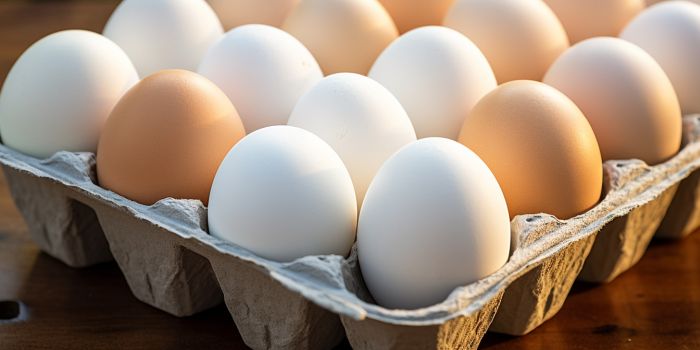
Per le strade dal manto unto di fine estate sventolano i cartelloni Pewex; latte, pane e uova adesso si possono prendere anche a rate. Meglio di niente a tavola. Almeno a leggere i volti stanchi e rassegnati di chi sta in fila dopo aver fatto due conticini. Sebbene la plastica già da tempo assolva la funzione di rateizzazione della spesa, tornare dalle vacanze (anche quelle a rate) per vedere il cartellone di un noto supermercato che propone la spesa primaria a rate, dà qualcosa su cui riflettere. Specialmente in vista di un autunno che probabilmente si rivelerà oneroso per ciò che concerne i costi energetici delle famiglie e tutto il resto.
In un sistema sano, il debito è sostenibile. Mentre in un sistema che non cresce non è così. Si vive per ripianare gli interessi accumulati che nelle decadi superano il debito stesso. Lo stato emette titoli, il mercato ne compra una parte, quelli rimasti vengono in genere riacquistati dalle banche centrale. Il tesoro viene finanziato e circola più moneta. Controllando la moneta in circolazione si controlla anche l’inflazione.
Ma così come aumenta il debito, così vale anche per gli interessi su di esso. I concetti sono chiari, sostenibilità del debito e rifinanziamento da un lato, e crescita dall’altro. In mezzo, i conti del cittadino con la realtà.
Scartabellando gli ultimi dati Istat, Osservatorio CPI, Unimpresa e Banca d’Italia a grandi linee, ne esce un quadretto. Ufficialmente migliora il mercato del lavoro per una serie di motivi, ma non tanto il resto. I redditi delle famiglie restano bassi, sale la deprivazione materiale, circa 10% degli occupati bussano alla soglia della povertà, e aumenta la fuga degli espatriati. Inoltre, gli stipendi tornano a crescere meno dell’inflazione (retribuzioni +2.3% a fronte di 3.3% di inflazione). Dato che non si vedeva da un po’ di tempo. Ma che si sente nei famigerati confronti spesa al supermercato, ed ecco pronte le ‘uova a rate’.
Gli indicatori di salute di un’economia sana in genere sono una crescita costante del PIL, un tasso relativamente basso della disoccupazione e un aumento dei salari reali. Lumen: finora l’inflazione resta piuttosto moderata e anche abbastanza prevedibile, mentre la borsa, nonostante tutto e qualche uscita (che serve a far capitalizzare chi l’ha fatta), è quasi stabile. Ciò denota ancora una certa fiducia da parte di imprese e consumatori. Quindi, un piccolo sospiro tra gli scaffali.
Finora molta inflazione è stata scaricata su stipendi, agendo sulla domanda, ma forse la strategia non sarà sostenibile in eterno. Non a caso quest’estate si è agito sull’offerta tagliando un po’ le accise benzina (14 cents di accisa e 3c di IVA). In sintesi, spesso si è ridotto il potere d’acquisto dei salari reali anziché intaccare plusvalenze e profitti aziendali. Tra il 2021 e 2025 gli utili netti delle banche in Italia sono calcolati intorno ai 176 miliardi di euro derivanti dal margine d’interesse (la differenza tra interessi richiesti e quelli dati sul conto).
Tra il 2014 ed il 2024 l’inflazione correva più della crescita dei salari, nel 2022-23 questa fiammata ha fatto scendere la quota dei lavori dipendenti spostando la ricchezza su profitti e renditi. Oltretutto, molti contratti collettivi sono rimasti bloccati o rinnovati con ampio ritardo. La contrattazione di secondo livello poi è un ricordo. Tradotto, stagnazione pluridecennale delle retribuzioni probabilmente dovuta alla stagnazione nella produttività. Dopo il crollo pandemico le retribuzioni al netto dell’inflazione si erano un po’ riprese ma si trattava di un recupero troppo piccolo per compensare le perdite precedenti del potere di acquisto. Piccole imprese di qualità con vantaggi comparati ma troppo piccole per essere sufficientemente competitive in un mondo schierato a zone d’influenza con gli interessi sul debito che pesano come un macigno.
L’Outlook autunno 2026 dovrebbe registrare una crescita debole (tanto per cambiare) frenata dai costi energetici. La domanda interna resta il motore principale mentre quella estera vede il segno negativo per via dei rincari. L’inflazione è stimata a circa 3%, con un leggero rialzo delle materie prime; quindi, i consumi vengono stimati in frenata dal carovita per le famiglie. Intanto per adesso ci sono le ‘uova a rate’.
‘Milk and eggs installments’, and other various economic news
September begins with bills set aside and a bank account so low it seems almost anonymous. Numerous last trips to the beach, things to take care of, and queues at government agencies there to remind us that we are not real people but entities in a machine. We have so much, but not full ownership. Who knows, maybe not even of our thoughts. It’s like a bank account: we only have access, so we can release a resigned sigh.
Pewex supermarket billboards wave along the greasy, late-summer streets; milk, bread, and eggs can now be purchased in installments. Better than nothing on the table. At least reading out the tired, resigned faces of those waiting in line after doing a few calculations. Although plastic has long served the purpose of paying for groceries in installments, returning from vacation (even these are paid in installments) to see a billboard at a well-known supermarket offering basic groceries in installments gives us something to think about. Especially in view of an autumn which will likely prove costly in terms of household energy costs and everything else.
In a healthy system, debt is sustainable. However, in a system that isn’t growing, this isn’t the case. People live to repay the accumulated interest, which over the decades exceeds the debt itself. The government issues bonds, the market buys a portion of them, and the remaining ones are generally bought back by central banks. The treasury gets financed, and more money circulates. By controlling the currency in circulation, inflation is also controlled. But just as debt increases, so too does the interest on it. The concepts are clear: debt sustainability and refinancing on the one hand, and growth on the other. In between, the citizen’s reckoning with economic reality.
A general overview of the latest data from Istat, the CPI Observatory, Unimpresa, and the Bank of Italy reveals a clear picture. Officially, the labor market is improving for a variety of reasons, but not so much elsewhere. Household incomes remain low, material deprivation is rising, approximately 10% of employed workers are hitting the poverty line, and expatriation of talents is increasing. Furthermore, wages are once again growing at a slower rate than inflation (wages up 2.3% compared to 3.3% inflation). This is something we haven’t seen for some time. But it’s something we can work out in the infamous supermarket shopping comparisons, and voilà: here are the “eggs on installment plans.”
The indicators of a healthy economy are generally steady GDP growth, a relatively low unemployment rate, and rising real wages. Lumen: so far, inflation remains rather moderate and even fairly predictable, while the stock market, despite everything and a few verbal ‘outflows’ (which serve to capitalize for those who have made them), is almost stable. This still indicates a certain level of confidence among businesses and consumers. So, one hears a small sigh of relief among the shelves.
So far, much of the inflation has been passed on to wages, affecting demand, but this strategy may not be sustainable forever. It’s no coincidence that this summer, supply was affected by a slight cut in gasoline taxes (14 cents excise duty and 3 cents VAT). In short, the purchasing power of real wages has often been reduced rather as opposed to impacting capital gains and corporate profits. Between 2021 and 2025, Italian banks’ net profits are estimated to be around €176 billion, deriving from interest margins (the difference between interest charged and interest paid on accounts).
Between 2014 and 2024, inflation outpaced wage growth; in 2022-23, this surge reduced the share of salaried employment, shifting wealth to profits and rents. Furthermore, many collective bargaining agreements have remained blocked or were renewed with significant delays. Second-level union bargaining turned into a thing of the past. In other words, a decades-long stagnation in wages likely due to stagnant productivity. After the pandemic collapse, inflation-adjusted wages recovered somewhat, but it was too small a recovery to offset previous losses in purchasing power. Small, quality businesses with comparative advantages are too small to be sufficiently competitive in a world divided into zones of influence, with debt interest weighing like a millstone.
The fall 2026 outlook shows weak growth (for a change), held back by energy costs. Domestic demand remains the main driver, while foreign demand is negative due to price increases. Inflation is estimated at around 3%, with a slight increase in raw materials prices; therefore, consumption is expected to slow down due to the high cost of living for families. Meanwhile, for now, there are “eggs on installment plans” to move on.
Luca De Meo