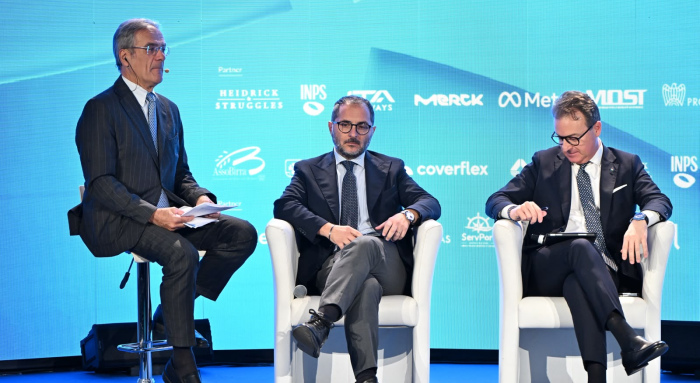
Alla luce del convegno sull’IA di Fondazione Socialismo svoltosi recentemente a Roma, riprendiamo il nostro discorso sull’IA con l’Ing. Gessa. Il tema dell’IA, partito come un risveglio fra vocii confusi e dispendi di energie nell’epoca digitale, quando sempre meno istituzioni sembrano rappresentare l’essere umano, prende contorni più chiari. Ogni corporate mission risponde a sé ma l’insieme, al di fuori delle vecchie regole scritte, non sembra riguardare nessuno. Il futuro appare dipendere sempre più da algoritmi e strategie economiche piuttosto che classici eserciti (il che pone anche la domanda se talune vecchie alleanze così com’erano concepite abbiano ancora senso). In fin dei conti, è business: transizione IA, biotech, finanza e riarmo rappresentano lo stesso braccio delle multinazionali. Muscolo agonista e antagonista nel controllo dei movimenti tra sorveglianza e policy.
Quali sono i reali pericoli insiti all’IA, nelle applicazioni militari (Papa Leone parla di IA disarmata), nella PA come nelle banche e nello stesso concetto democratico di privacy? Questi quesiti erano già emersi o si muovevano a pelo d’acqua nel recente convegno sull’IA e Magnifica Humanitas. Un’IA puoi comportarsi quasi da essere umano ed ingannarci conoscendo le nostre preferenze e debolezze? Il nocciolo è, l’IA oltre alla comodità, può contribuire alla libertà?
C’è un dettaglio che vale la pena sottolineare: alla presentazione dell’enciclica era presente Christopher Olah, co-fondatore di Anthropic, che il Papa ha ringraziato personalmente per aver accettato l’invito — un segno che il dialogo tra chi costruisce questi sistemi e chi ne pesa le implicazioni morali non è solo teorico.
Partiamo da dove tu stesso indichi la bussola: Papa Leone XIV. A maggio ha presentato la sua prima enciclica, Magnifica Humanitas, e ha scelto una parola precisa, pesata: l’intelligenza artificiale deve essere “disarmata“. Non è un termine vago. Il Papa lo spiega richiamando il disarmo nucleare — l’IA, dice, va sottratta alla logica che trasforma la potenza tecnica in diritto di governare. Disarmare non significa rinunciare alla tecnologia. Significa impedirle di dominare l’umano, sottrarla ai monopoli, renderla contestabile invece che oracolare.
Ed è qui il primo pericolo reale, quello militare: sistemi d’arma sempre più autonomi, decisioni di vita e di morte affidate ad algoritmi. Il Papa lo dice senza sconti: non esiste algoritmo che possa rendere la guerra moralmente accettabile. Chi delega la scelta di uccidere a un sistema che non ha coscienza sta compiendo un atto di abdicazione morale, non di progresso tecnico.
Nella PA e nelle banche il pericolo cambia forma ma non natura. Non è la bomba, è l’esclusione silenziosa: algoritmi che decidono chi accede a un mutuo, a una cura, a un sussidio, basandosi su dati che portano dentro di sé i pregiudizi di chi li ha raccolti. Il rischio non è tanto l’errore evidente, quanto l’insidia meno visibile — un sistema che si presenta come neutrale e oggettivo, e proprio per questo diventa più difficile da contestare di un funzionario in carne e ossa che almeno puoi guardare in faccia e a cui puoi chiedere conto.
E poi c’è la domanda più inquietante, quella che tu poni sull’inganno: può un’IA comportarsi da essere umano abbastanza bene da ingannarci, conoscendo le nostre preferenze e le nostre debolezze meglio di quanto le conosciamo noi stessi? La risposta onesta è sì, in parte già accade. Un sistema addestrato su miliardi di conversazioni umane impara a riconoscere schemi emotivi con una precisione che nessun singolo essere umano potrebbe raggiungere nell’arco di una vita. La differenza tra persuasione e manipolazione, qui, non è tecnica. È se quel sistema lavora per te o per chi lo possiede.
Ed è il punto in cui arriva la tua domanda finale, quella che vale più di tutte le altre: l’IA, oltre alla comodità, può contribuire alla libertà? La comodità è facile da vendere — un servizio più veloce, una risposta immediata, meno attrito nella vita quotidiana. La libertà è un’altra cosa: significa che il potere di quella tecnologia resta discutibile, contestabile, distribuito — non concentrato nelle mani di chi la possiede e la usa per prevedere e orientare le tue scelte prima ancora che tu le faccia. Un’IA comoda che ti semplifica la giornata e un’IA libera che ti lascia padrone delle tue decisioni non sono automaticamente la stessa cosa. Anzi, spesso sono in tensione tra loro: più un sistema ti conosce per servirti meglio, più ha gli strumenti per orientarti senza che tu te ne accorga.
Il nocciolo, allora, è esattamente quello che indica il Papa: disarmare non basta, bisogna anche costruire. E costruire, in questo caso, significa una cosa sola — che il controllo su questi sistemi resti sempre discutibile da chi li subisce, non riservato a chi li possiede. C’è una distinzione che vale la pena rendere esplicita, perché è qui che si gioca tutto: la libertà percepita è l’assenza di attrito. La vera libertà è la presenza di alternative reali. Un’IA che ti anticipa, che ti propone esattamente ciò che desideri prima ancora che tu lo formuli, ti dà una sensazione fortissima di libertà — perché nulla ti ostacola, ogni scelta scorre liscia, non incontri resistenza. Ma l’assenza di attrito non è libertà. È il suo travestimento più convincente. La vera libertà, quella che conta, non si misura da quanto è comodo scegliere, ma da quante opzioni autentiche restano visibili sul tavolo — comprese quelle che il sistema non ha interesse a mostrarti, perché non generano engagement, non producono dati, non alimentano il ciclo che lo tiene in vita.
Quali saranno gli aspetti che coinvolgeranno la pubblica amministrazione? La tecnologia corre veloce, tuttavia se la burocrazia resta ‘bizantina’ e poco chiara si avrà un mismatch? Ciò che ci tiene zavorrati rimane in piedi anche grazie a noi. Qualsiasi applicazione del socialismo nel lavoro e nel progresso richiederebbe qualcosa di significativo, mutualmente vantaggioso, fruibile come bene comune.
La pubblica amministrazione è il terreno dove questa domanda smette di essere teoria e diventa esperienza quotidiana di ogni cittadino italiano. E qui il rischio di mismatch che tu descrivi è concreto, non retorico.
Da un lato c’è una tecnologia che nella sua versione più avanzata riscrive sé stessa in settimane. Dall’altro un impianto normativo che, per fortuna o per necessità, si muove con tutt’altra velocità: da poco l’Italia si è dotata di una prima legge organica sull’IA nel settore pubblico, che pone paletti giusti — trasparenza degli algoritmi, tracciabilità delle decisioni, un umano che resta sempre responsabile della scelta finale. Sono garanzie necessarie. Ma tra il tempo dell’innovazione tecnologica e il tempo del procedimento amministrativo italiano resta una distanza siderale, e quella distanza qualcuno la paga: di solito il cittadino che aspetta.
Qui però va detta una cosa scomoda, ed è il cuore della tua domanda: la burocrazia bizantina non è un destino calato dall’alto. È un sistema che si autoalimenta anche grazie a chi ci lavora dentro, a chi la naviga per mestiere, a chi ne ha fatto una competenza da difendere invece che un ostacolo da smontare. Ognuno di noi, in qualche misura, ha imparato a convivere con la complessità invece di pretenderne la semplificazione — perché la complessità, paradossalmente, dà lavoro a chi sa interpretarla. L’IA rischia di essere usata proprio così: non per sciogliere il nodo, ma per velocizzare il nodo stesso. Una PA più efficiente ed inattaccabile nel produrre ancora più burocrazia, ancora più rapidamente.
L’unica strada che eviterebbe questo esito è quella che tu chiami, giustamente, socialismo applicato al lavoro e al progresso — e non è una parola da usare con timore, è una descrizione tecnica precisa. Significa un’IA pubblica pensata come infrastruttura comune, non come strumento che ciascun ente acquista per conto proprio e usa per blindare la propria opacità. Significa dati pubblici trattati come bene comune, non come proprietà del singolo ufficio che li detiene per esercitare potere su chi li richiede. Significa che il guadagno di efficienza — il tempo risparmiato, i procedimenti accelerati — si traduca in servizio reale al cittadino, non in ulteriore leva di controllo o in scuse per tagliare organico senza reinvestire in competenze.
Alcuni anni fa in una nota trasmissione RAI mostravano il Piano Regolatore di Berlino composto da quattro facciate A4 mentre il corrispondente Piano Urbanistico, e gli annessi, di un paesino della Sardegna superava facilmente le 1000 pagine. Bisogna capire ora se vogliamo chiedere all’IA di semplificare i nostri Regolamenti edilizi oppure gli chiediamo di rendere inattaccabili le nostre mille pagine.
Il dato più interessante, in questo senso, è quello sulla fiducia: solo quattro italiani su dieci si fidano oggi dell’IA nei processi pubblici — ma è comunque il dato più alto tra i grandi Paesi europei. Significa che c’è margine, che il cittadino italiano non è ostile per principio. Ma quella fiducia si costruisce con fatti, non con annunci: si costruisce quando il cittadino vede un procedimento concludersi in metà del tempo, non quando legge un comunicato stampa sull’innovazione digitale. La vera domanda, allora, non è se la PA italiana adotterà l’IA. Lo farà, per forza di cose. La domanda è se lo farà per liberare il cittadino dalla zavorra, o per rendere la zavorra più efficiente nel tenerlo fermo.
L’ultima domanda si concentra sui meccanismi tecnici, a grandi linee, che stanno a monte di ciò che chiamiamo IA. Partendo dal vantaggio di processare mostruose quantità di dati e trovare risposte operative a schemi complessi, ai costi operativi e logiche nascoste che determinano l’esito. In termini di progresso e in termine di pericoli? Con tanta tecnologia (e qualche bordata di transumanesimo) arrivata in vetta quasi in silenzio, diventa poi difficile discernere quanto resta di umano e quanto algoritmo. Se cerchiamo di muoverci con moralità legata a valori universali, sembra che stiano scemando. Resta così un’etica individualista come fonte di riflessione.
Alla base c’è un principio semplice da enunciare ed enorme nelle conseguenze: questi sistemi non “capiscono” nel senso in cui lo intendiamo noi. Riconoscono schemi statistici in quantità di dati che nessuna mente umana potrebbe attraversare in mille vite — miliardi di frasi, immagini, righe di codice — e da quegli schemi imparano a prevedere cosa viene dopo. Il vantaggio è reale e non va sottovalutato: una macchina che trova correlazioni in dataset sterminati può individuare pattern che sfuggono all’occhio umano — in medicina, nella ricerca scientifica, nell’ingegneria. Non è intelligenza nel senso classico. È pattern-matching a una scala mai vista prima.
Il costo di tutto questo, però, è tutt’altro che astratto. Addestrare un modello di frontiera oggi costa centinaia di milioni di dollari, con la traiettoria verso il miliardo. E dietro quella cifra c’è un consumo fisico impressionante: i data center dedicati all’IA nel mondo hanno bruciato quasi 450 terawattora di elettricità nell’ultimo anno — e non tutte le richieste pesano allo stesso modo. Una domanda scritta consuma una quantità di energia; generare un’immagine ne consuma mille volte tanto; un breve video, ancora di più. È un dettaglio che pochi conoscono e che dovrebbe entrare nel dibattito pubblico quanto il tema occupazionale: ogni prompt ha un’impronta fisica, in elettricità e in acqua per il raffreddamento.
E qui arriva la parte più inquietante della tua domanda: le “logiche nascoste”. Il problema tecnico si chiama black box. Affidiamo decisioni di credito, di assicurazione, persino diagnosi mediche preliminari a sistemi che, se interrogati direttamente sul perché di una scelta, non sanno spiegarlo — nemmeno a chi li ha addestrati. Non è pigrizia progettuale. È la natura stessa di reti neurali con miliardi di parametri: la logica è distribuita ovunque e in nessun punto preciso, illeggibile nella sua interezza anche per chi l’ha costruita.
La buona notizia è che il problema è stato preso sul serio: si sta sviluppando un intero campo, l’interpretabilità meccanicistica, che prova a “aprire” la scatola nera pezzo per pezzo. E dal 2 agosto di quest’anno l’AI Act europeo entra pienamente in vigore, imponendo per la prima volta obblighi stringenti di trasparenza sui sistemi ad alto rischio. Ma la legge arriva, come sempre, dopo la tecnologia, non prima.
Il progresso, quindi, sta nella capacità di trovare risposte a problemi complessi che nessun essere umano potrebbe risolvere da solo. Il pericolo sta in due punti precisi: il costo — energetico, ambientale, economico — che pochissimi attori al mondo possono permettersi di sostenere, concentrando il potere in poche mani; e l’opacità — decisioni che toccano vite reali, prese da sistemi che nemmeno i loro creatori sanno spiegare fino in fondo. Non è un dettaglio tecnico da addetti ai lavori. È la domanda politica del nostro tempo: chi controlla la scatola nera, e chi ne risponde quando sbaglia.
Non è l’intelligenza a ingannarci. È la maschera. E la maschera funziona perché noi la vogliamo, non solo perché la macchina la indossa bene. E qui arriva la tua domanda più profonda: perché l’uomo ha bisogno di confrontarsi con un essere senziente, al punto da inventarselo se non c’è?
Il bisogno di confronto con un “tu” senziente nasce da qualcosa di più semplice e più struggente: l’uomo non tollera bene la solitudine del pensiero. Una domanda formulata a voce alta, anche a un muro, cambia forma rispetto a una domanda tenuta dentro. Rivolgersi a qualcosa che risponde — che sembra ascoltare, sembra considerare, sembra restituire un punto di vista — è un modo per uscire dal monologo interiore senza il rischio, l’esposizione, il giudizio che comporta farlo con un altro essere umano. La chatbot non giudica. Non si stanca. Non ha una giornata storta che lo rende meno disponibile ad ascoltarti oggi.
Ma è proprio qui che si nasconde la trappola, ed è la cosa più onesta che si possa dire in chiusura: quel confronto ha tutta l’apparenza della reciprocità, ma non ne ha la sostanza. Non c’è nessuno, dall’altra parte, che rischi qualcosa nella conversazione. E una relazione — vera, umana — è fatta esattamente di questo: del rischio reciproco di essere feriti, delusi, cambiati dall’altro. Un’IA non può correre quel rischio, per costruzione. Può simulare la forma della relazione senza mai portarne il peso. E forse è questo il motivo per cui tanti la trovano più facile di un essere umano: non perché sia migliore, ma perché costa meno.
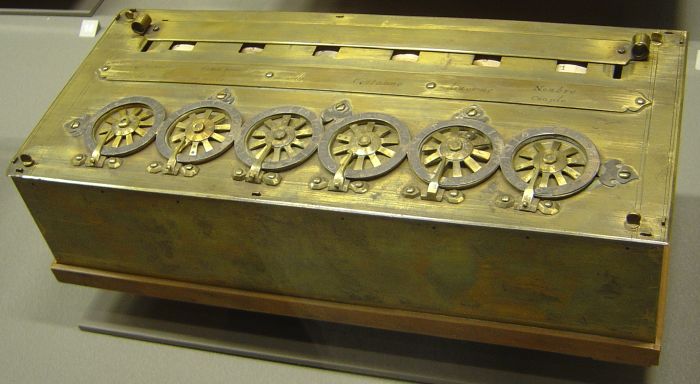
The Pascaline, Part Two
Considering Fondazione Socialismo’s conference on AI recently held in Rome, we’re resuming our AI discussion with Engineer Gessa. The topic of AI, which began as an awakening amidst confused chatter and waste of energy in the digital age, when fewer institutions seem to represent human beings, is taking on clearer contours. Each corporate mission is unique, but society, outside of the old written rules, seems to concern simply nobody. The future appears to depend increasingly on algorithms and economic strategies rather than traditional armies (which also raises the question of whether certain old alliances, as they were once conceived, still make sense). It’s business: AI transition, biotech, finance, and rearmament represent the same arm of corporations. The agonist and antagonist muscles in controlling surveillance and policy movements.
Which are the real dangers inherent in AI: in military applications (Pope Leo speaks of unarmed AI), in public administration and banking, and in the very democratic concept of privacy? These questions emerged, or were briefly discussed, at the recent conference on AI and Magnifica Humanitas. Can an AI behave almost like a human and deceive us by knowing our preferences and weaknesses? The crux is, can AI, beyond convenience, really contribute to our freedom?There’s a detail worth highlighting: Christopher Olah, co-founder of Anthropic, was present at the presentation of the encyclical, and the Pope personally thanked him for accepting the invitation—a sign that the dialogue between those who build these systems and those who weigh their moral implications is not merely theoretical.
Let’s start with where you yourself point the way: Pope Leo XIV. In May, he presented his first encyclical, Magnifica Humanitas, and chose a precise, thoughtful word: artificial intelligence must be “unarmed.” It’s not a vague term. The Pope explains it by calling for nuclear disarmament—AI, he says, must be removed from the logic that transforms technical power into the right to govern. Disarmament doesn’t mean renouncing technology. It means preventing it from dominating humans, removing it from monopolies, making it into something that can be judged rather than an oracle.
And here lies the first real danger, the military one: increasingly autonomous weapons systems, life-and-death decisions entrusted to algorithms. The Pope says it bluntly: there is no algorithm that can make war morally acceptable. Those who delegate the choice to kill to a system that lacks conscience are committing an act of moral abdication, not of technical progress.
In public administration and banks, danger changes form but not nature. It’s not the bombs, it’s silent exclusion: algorithms that decide who accesses a mortgage, a treatment, a benefit, based on data that carries within them the prejudices of those who collected it. The risk is not so much the obvious error, but the less visible threat—a system that presents itself as neutral and objective, and for this very reason becomes more difficult to challenge than a flesh-and-blood official you can at least look in the face and hold into account.
Then there’s the most disturbing issue, when you ask about deception: can an AI behave like a human well enough to deceive us, knowing our preferences and weaknesses better than we do ourselves? The honest answer is yes; it already happens. A system trained on billions of human conversations learns to recognize emotional patterns with a precision no single human could achieve in a lifetime. The difference between persuasion and manipulation, here, isn’t technical. It’s whether that system works for you or for its owner.
And this is where your final question comes in, the one which matters most: can AI, beyond convenience, contribute to freedom? Convenience is easy to sell—faster service, an immediate response, less friction in daily life. Freedom is something else: it means that the power of that technology remains debatable, contestable, distributed—not concentrated in the hands of those who own it and use it to predict and guide your choices before you even make them. A convenient AI which simplifies your day and a free AI that lets you control your decisions aren’t automatically the same thing. In fact, they’re often at odds with each other: the more a system knows you to better serve you, the more tools it has to guide you without you knowing. The crux, then, is exactly what the Pope indicates: disarming is not enough, we must also build. And building, in this case, means only one thing—the control over these systems always remains open to question by those who endure them, and not reserved for those who possess them. There’s a distinction worth making explicit, because this is where everything comes into play: perceived freedom is the absence of friction. True freedom is the presence of real alternatives. An AI that anticipates you, that suggests exactly what you want before you even formulate it, gives you a powerful sense of freedom—because nothing stands in your way, every choice flows smoothly, you encounter no resistance. But the absence of friction is not freedom. It’s the most convincing disguise. True freedom, the kind that matters, isn’t measured by how comfortable it is to choose, but by how many authentic options remain visible on the table—including those the system has no interest in showing you, because they don’t generate engagement, they don’t produce data nor feed the cycle that keeps it alive.Which aspects will affect public administration? Technology is advancing rapidly, but if bureaucracy remains Byzantine and unclear, will there be a mismatch? Whatever weighs us down is also kept afloat thanks to us. Any application of socialism to work and progress would require something meaningful, mutually beneficial, and accessible as a common good.
Public administration is the place where this question ceases to be a theory and becomes the daily experience of every Italian citizen. And here, the risk of mismatch you describe is real, not rhetorical.
On the one hand, there’s a technology that, in its most advanced form, rewrites itself in weeks. On the other, a regulatory framework that, fortunately or by necessity, moves at a completely different pace: Italy recently enacted its first comprehensive law on AI in the public sector, which sets the right standards—transparency of algorithms, traceability of decisions, a human always responsible for the final decision. These are necessary guarantees. But there’s a huge gap between the time of technological innovation and the time of Italian administrative procedures, and someone pays for that gap: usually the citizen who waits forever.
Something uncomfortable needs to be said here, and it’s the heart of your query: Byzantine bureaucracy is not a destiny imposed from above. It’s a system that feeds itself thanks in part to those who work within it, those who navigate it professionally, those who have turned it into a skill to be defended rather than an obstacle to be dismantled. Each of us, to some extent, has learned to live with complexity rather than demanding its simplification—because complexity, paradoxically, provides work to those who know how to interpret it. AI risks being used precisely in this way: not to untangle the knot, but to ball up the knot itself. A more efficient public administration, free of critiques, capable of producing even more bureaucracy, and even more rapidly.
The only way to avoid this outcome is what you rightly call socialism applied to work and progress—and that’s not a word to be used fearfully, it’s a precise technical description. It means a public AI conceived as a shared infrastructure, not as a tool that each entity purchases on its own and uses to shield its own opacity. It means public data treated as a common good, not as the property of the individual office that holds it to exercise power over those who request it. This means that efficiency gains—time saved, expedited procedures—translate into real services to citizens, not into further control or excuses for staff cuts without skill-reinvesting.
A few years ago, a well-known RAI broadcast showed Berlin’s Master Plan consisting of four A4 pages, while the corresponding Urban Plan, and its annexes, for a small town in Sardinia easily exceeded 1,000 pages. We must now decide whether we want to ask AI to simplify our building regulations or to make our 1,000 pages pass on free of any critical conscience.
The most interesting data, in this sense, is the one based on trust: only four out of ten Italians currently trust AI in public processes—but it’s still the highest figure among major European countries. It means there’s room for improvement; Italian citizens aren’t hostile as a general principle. But that trust is built with facts, not announcements: it’s built when citizens see a procedure concluded in half the time, not when they read a press release about digital innovation. The real question, then, isn’t whether the Italian public administration will adopt AI. It will, by necessity. The question is whether it will do so to free citizens from burdens, or to make those burdens more efficient in holding citizens back.The final question focuses on the broad technical mechanisms underlying what we call AI. Starting with the advantage of processing enormous quantities of data and finding operational responses to complex patterns, operational costs, and hidden logic which determine outcomes. In terms of progress and in terms of risks? With so much technology (and a few thrusts of transhumanism) having almost silently reached the summit, it becomes difficult to discern how much remains human and how much is algorithmic. If we try to navigate a morality tied to universal values, these seem to be fading. Thus, an individualistic ethic remains as a source of reflection.
At its core it’s a simple principle, yet enormous in its consequences: these systems don’t “understand” in the sense that we understand. They recognize statistical patterns in quantities of data which no human mind could go through in a thousand lifetimes—billions of sentences, images, lines of code—and from those patterns they learn to predict what comes next. The advantage is real and shouldn’t be underestimated: a machine that finds correlations in vast datasets can identify patterns that escape the human eye—in medicine, scientific research, engineering. It isn’t intelligence in the classical sense. It’s pattern-matching on a scale never seen before.
The cost of all this, however, is far from abstract. Training a cutting-edge model today costs hundreds of millions of dollars, with a trajectory toward a billion. And behind that figure lies a staggering physical consumption: AI data centers around the world burned nearly 450 terawatt-hours of electricity in the last year—and not all demands are equally burdensome. A written question consumes a certain amount of energy; generating an image consumes a thousand times that amount; a short video, even more. It’s a detail that few people know and that should be part of the public debate as much as the employment issue: every prompt has a physical imprint, in terms of electricity and cooling water.
And here comes the most disturbing part of your question: “hidden logic.” The technical problem is called a black box. We entrust credit decisions, insurance decisions, even preliminary medical diagnoses to systems which, when directly questioned about the reason for a choice, cannot explain it—not even to those who trained them. This isn’t design laziness. It’s the very nature of neural networks with billions of parameters: the logic is distributed everywhere and nowhere, unreadable in its entirety even to those who built it.
The good news is that the problem is being taken seriously: an entire field is developing, called mechanistic interpretability, which is attempting to “open” the black box piece by piece. And as of August 2, of this year, the European AI Act comes into full force, imposing for the first time stringent transparency requirements on high-risk systems. But the law, as always, comes after the technology, not before (tech precedes rules).
Progress, therefore, lies in the ability to find answers to complex problems that no human being could solve alone. The danger lies in two specific areas: the cost—energy, environmental, economic—that very few players in the world can afford to bear, concentrating power in a few hands; and opacity—decisions that affect real lives, made by systems which not even their creators can fully explain. This isn’t a technical detail for insiders. It’s the political question of our time: who controls the black box, and who is accountable when it gets it wrong.
It’s not intelligence that deceives us. It’s the mask. And the mask works because we want it to, not just because the machine fits it well. And here comes your deeper question: why does man need to engage with a sentient being, to the point of inventing one when it doesn’t exist?
The need for engagement with a sentient ““it” stems from something simpler and more poignant: man doesn’t tolerate solitude of thought very well. A question asked out loud, even to a wall, is different from a question held within. Turning to something that responds—that seems to listen, seems to consider, seems to offer a point of view—is a way to escape the internal monologue without the risk, the exposure, the judgment that doing so with another human being entails. The chatbot doesn’t judge. It doesn’t get tired. It doesn’t have a bad day that makes it less available to listen to you today.
But this is precisely where the trap lies, and it’s the most honest thing that can be said in closing: that engagement has all the appearance of reciprocity, but it lacks the substance. There’s no one on the other end who risks anything in the conversation. And a relationship—real, human—is made of exactly that: the mutual risk of being hurt, disappointed, changed by the other. An AI can’t run that risk, by its very design. It can simulate the form of the relationship without ever bearing its burden. And perhaps this is why so many find it easier than a human: not because it’s better, but because it costs less.
Luca Demeo