L’autunno inizia a spogliarsi e si cambia, dal colore delle foglie all’aria che si respira. Un’aria autunnale inizia ad aggirarsi per le segreterie dei partiti. Non più in pilota automatico bensì in modalità campagna elettorale, con movimenti civici e amministratori locali che fungono da acceleratore. Alle varie realtà spetta la gestione quotidiana, quella più vicina al cittadino.
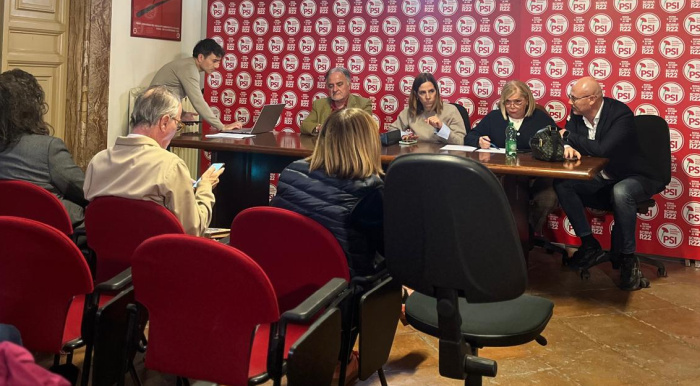
Il 29 ottobre si riunisce la federazione romana del PSI per nominare i coordinatori municipali (in coppie maschi femmine per coerenza di quote), e il nuovo vicesegretario municipale, Simone Fanfarillo. Di fatto, sono i municipi a trainare i consigli comunali. Si passa a discutere i punti cardine delle tre proposte da avanzare alle tavole delle alleanze per le prossime comunali. L’immagine che meglio esprime l’atmosfera risiede nella celebre la frase dell’esistenzialista, Walt Whitman, “Mi contraddico? Certo che mi contraddico! Sono vasto, contengo moltitudini” (tratto dal libro Foglie d’Erba, 1892). Poche proposte, una vastità di interventi. In sintesi, tre semplici proposte concrete da proporre e portare avanti.
La prima riguarda la sburocratizzazione, ovvero l’allargamento dei diritti automatici del cittadino (diritti che non sono favori da elargire né lungaggini che fanno perdere tempo a un progetto cittadino in attesa di qualche ultimo, inutile passaggio).
La seconda è la mobilità. Essenziale in una città pensata per le bighe ma si trova ad accogliere i suv. Le proposte vanno dal piano ventennale – piano urbano di mobilità sostenibile- vedi Metro via. Ovvero, una metro veloce su ferrovia con 12 linee e nuove fermate dove mancano senza scavare ulteriormente. Questa poi andrebbe studiata e connessa a parcheggi sotterranei (una zona utile in ogni quartiere sotto i vialoni), perché chi ha l’auto non deve lasciarla arrugginire in garage. In ultimo, le notorie piste ciclabili, nate e sparite nel nulla togliendo spesso percorsi importanti lungo il Tevere. Le zone residenziali vanno studiate e collegate ai servizi.
La terza è molto sentita e riguarda la sicurezza. Sicurezza, un diritto sociale, implica un mondo di cose: dalle forze dell’ordine, all’illuminazione, dall’ abbandono scolastico all’integrazione/ emarginati, sino agli studi di fattibilità e finanziamento nonché il coordinamento comune-prefetture. Sicuramente non è repressione usando le manganellate come si vorrebbe far intendere in certi ambienti. Autorità e autorevolezza non significano autoritarismo. È qualcosa che esula dal vecchio gioco, all’opposizione la colpa è del governo nazionale, al governo la colpa è del comune. Si tratta di dare risposte concrete, come ad esempio, avvicinare le periferie al centro e aumentare l’illuminazione.
Politics is not just about slogans; it is a matter of semantic substance.
Autumn begins to shed its layers and transform the scenery—from the changing colors of the leaves to the very air we breathe. A Fall atmosphere is now drifting through the offices of political parties as well. They are no longer on autopilot, but have shifted into “election campaign” mode, with civic movements and local administrators acting as catalysts. These entities that handle the day-to-day affairs closest to the citizens.
On October 29th, the Rome federation of the Italian Socialist Party (PSI) met to appoint its municipal coordinators (in male-female pairs, in line with gender quota requirements) and a new deputy municipal secretary, Simone Fanfarillo. In practice, it is the municipal districts that drive the city council’s agenda. The discussion turned to the core points of three proposals to be brought to the negotiating table for potential alliances ahead of the upcoming municipal elections. The image that best captures this atmosphere is a famous line by the existentialist-leaning poet Walt Whitman: “Do I contradict myself? Very well then I contradict myself, (I am large, I contain multitudes)”—from his collection *Leaves of Grass* (1892). A few core proposals, a vast scope for action. In short, three simple, concrete proposals to put forward and pursue.
The first concerns the reduction of bureaucracy—specifically, the expansion of citizens’ “automatic rights” (rights that are neither favors to be granted nor bureaucratic hurdles that stall urban projects while waiting for some final, pointless administrative step).
The second concerns mobility—a critical issue in a city originally designed for chariots but now tasked with accommodating SUVs. The proposals range from a twenty-year plan—a Sustainable Urban Mobility Plan—to initiatives like the “Metro via” (a project for integrated urban transit). In other words, a rapid rail-based metro system with 12 lines and new stops in underserved areas—all without the need for further excavation. This system should be carefully planned and integrated with underground parking facilities (which could be located beneath major thoroughfares in every neighborhood), ensuring that those who own cars don’t simply leave them to rust in a garage. Finally, there is the issue of the much-discussed bike lanes—projects that appeared and then vanished into thin air, often at the expense of important routes along the Tiber. Residential areas must be studied and properly connected to essential services.
The third point is a major concern: public safety. Safety—a fundamental social right—encompasses a wide range of issues: from law enforcement and street lighting to addressing school dropout rates, promoting integration, helping those marginalized get a chance. It also requires feasibility studies, secure funding, and effective coordination between the municipal government and the prefecture. Crucially, this is not about repression or the use of batons—a narrative sometimes pushed in certain circles. Authority and credibility are not the same as authoritarianism. We must move beyond the old political blame game, where the opposition blames the national government, and the government, in turn, blames the municipality. Instead, the focus should be on providing concrete solutions—such as bringing the suburbs closer to the city center and improving street lighting.