L’estate entra nel vivo e così le sue ondate di calore attribuite al fenomeno ‘heat dome’ o cupola di calore. Achtung: i cambiamenti climatici valgono solo per coloro che credono nelle correnti ascensionali. Entra così nel vivo pure l’annoso dilemma: invito al mare o al lago? Una volta messe le mani in tasca se ne esce spesso in caduta libera come Paperino. Le dita stringono giusto la brezza pomeridiana e torniamo al dilemma.
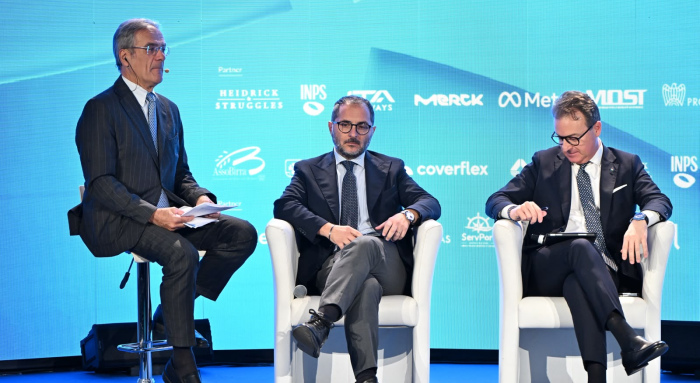
Lo spunto. Il 9 di luglio al TG2 delle 20,30, il dott. Gabriele Fava, da minuzioso avvocato e accorto presidente INPS dal 2024, diede qualche conferma. I dati riportati erano nel rapporto annuale dell’istituto: 16,4 milioni di pensionati (e scarse nascite), 371 miliardi di euro di spesa pensionistica annua. Non servono matematici da medaglia Fields per capire. Fava continua: non esistono pensioni solide senza lavoro stabile, se il lavoro è debole la previdenza sarà fragile, e se i salari sono bassi i contributi risulteranno insufficienti. I conti devono essere in equilibrio per stare in ordine (entrate/uscite). Tocca anche il tema della disparità salariale di genere che tuttora persiste con una forbice di circa 25%: €2,165 per i maschi e €1,633 per le femmine Egli si inoltra poi nell’apporto lavorativo degli immigrati, 1 lavoratore su sette è un extra-comunitario (qui sarebbe interessante analizzare meglio il discorso rimesse monetarie, l’INPS fotografa tutto). Il rapporto pensioni/ lavoro. Alla luce di quanto riassunto, molti hanno prolungato il lavoro grazie ad alcune agevolazioni e così forse troviamo i mirabolanti dati circa l’incremento nei posti di lavoro gli ultimi anni. Infatti, dal 1995, l’età pensionabile è aumentata di 7 anni. Da menzionare due note positive: la detassazione dei rinnovi contrattuali e il principio del ‘giusto compenso’- di principio si tratta poiché il giusto compenso non è sinonimo di salario minimo per tabella di legge.
I dati OCSE danno la Spagna a un +4,4% e la Germania a +3,5% di crescita salariale mentre il fanalino italiano si becca -8%. Non è rassicurante.
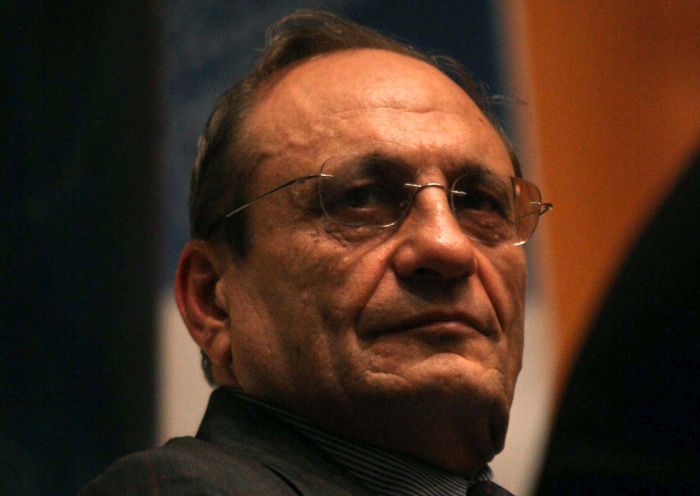
Tanto per fare due conti con una realtà che lascia un po’ perplessi, e dare un senso di equilibrio alle varie ipotesi, abbiamo stanato un economista competente e navigato come Nicola Scalzini (già consigliere economico per vari tavoli tecnici e governativi- Forte, Craxi, Martelli/Amato, e sottosegretario con Treu/ Dini) per darci una mano. Un input volto non tanto a cercare ciò che vorremmo sentire confermato, bensì più scientificamente, cercando l’opposto. Cercando le pecche per confermare motivi di ottimismo.
Il paese come sta davvero in termini di fiducia degli investitori e competitività economica? L’Italia era un tempo la quinta potenza economica. Dove si trovano invenzioni, serve poi reperire finanziamenti.
Siamo abbastanza competitivi ma non tecnologicamente elevati. Vantiamo una buona manifattura per merito degli imprenditori e dei lavoratori. Lo dimostra il fatto che molte aziende francesi comprano marchi italiani. Abbiamo piccoli robot e utensili, una certa tecnologia delle piccole imprese competitiva a livello mondiale. L’alta tecnologia ne risente invece, È la pecca di alcuni settori, quella di non aver finanziato potentemente la ricerca con i suoi frutti a lungo periodo, il che avrebbe incrementato benessere e migliorato i bilanci.
Non stiamo troppo male poiché la spia quantitativa, per i mercati internazionali, il saldo della bilancia dei pagamenti, è strutturalmente attiva. A onore del vero, il merito qui è soprattutto del governo Gentiloni che con Calenda e Padoan indirizzarono uno sviluppo (non populista), con Industria 4.0, dove le imprese investirono immettendo dosi tecnologiche nei processi produttivi. Questo ci ha emancipati dalla malattia del disavanzo esterno. Prima ci salvavamo con svalutazioni ma adesso non si può quindi dobbiamo migliorare la produttività. Poi gli incentivi furono sospesi e lo spread andò alle stelle. La 4.0 fu rimessa ma ereditiamo anche i frutti di quella stagione. Adesso bisogna guardare al futuro, per dare una sterzata al bilancio verso lo sviluppo. Come dice Draghi, tocca investire in tecnologia, IA e formazione.
Come uscire da questa stagnazione che ormai ci attanaglia da tempo: crescita debole, debito pubblico elevato, riscossione non sempre sufficiente? Insomma, imboccare la via verso un surplus primario.
Riorientare il bilancio verso lo sviluppo come dicevo prima. Abbiamo molti beni di largo consumo, alimentari, lusso made in Italy, ecc. Ma per la tecnologia e le comunicazioni dipendiamo dagli USA. Questi orientamenti sono da prendere in ambito UE. Per uscire dalla stagnazione tocca soprattutto potenziare la domanda interna, sollecitare rinnovi contrattuali rialzando i contratti dei lavoratori, a partire dal pubblico. Qualcosa si muove ma i salari non hanno ancora recuperato l’inflazione. Poi bisogna investire in infrastrutture come i porti, e siamo in ritardo in termini di efficienza. Investire anche nella comunicazione, senza timori. Bisogna aumentare la quota degli investimenti, specie adesso senza più il PNRR, migliorando l’efficienza della spesa pubblica e riqualificando le risorse (vedi bonus vari). Per fare ciò occorre uno sforzo continuo anche dagli enti locali oltre che dallo Stato. L’apparato infrastrutturale è importante, bisogna migliorare il PIL potenziale (quello che avremmo nel futuro prossimo) creando le condizioni di ripresa per una crescita più ampia. Condivido gli annunci di Draghi: orientando annualmente il bilancio verso lo sviluppo e la crescita.
Senza scomodare un vecchio concetto come la scala mobile che oggi risulterebbe difficilmente attuabile e forse anche in parte controproducente, possiamo considerare, oltre alla contrattazione nazionale, una contrattazione integrativa?
Posso dire da subito che gli scienziati hanno seppellito tecnicamente la “scala mobile”. Il covid ha riprodotto una nostalgia della scala mobile, quando, con il fermo totale l’inflazione era salita. Adesso serve un recupero completo adottando certi comportamenti. Usiamo bene la spesa pubblica. Ad esempio, perché pagare contributi sociali ai benestanti per i figli? Si intervenga piuttosto con la creazione di scuole e asili nidi che creano occupazione e crescita. O i provvedimenti per il cuneo fiscale che sono spese regalate ma non produttive. Vi è stata una spesa elettoralistica un po’ da parte di tutti. Invece più che contrattazione integrativa, vi è la contrattazione di secondo livello. Andrebbe rianimata. La contrattazione di primo livello dà l’aumento generalizzato, quella di secondo livello fa leva sui meriti e sul welfare aggiuntivo aziendale. In pratica, aggiusta i livelli salariali con l’inflazione su base delle capacità settoriali delle imprese, è più flessibile. Questa va potenziata. La crescita occupazionale che vediamo invece è dovuta al prolungamento del lavoro e un probabilmente margine di regolarizzazione del nero post reddito di cittadinanza.
Ci sono buone notizie- oltre alla tenuta dei conti pubblici- su questo versante, magari cose positive fatte dal governo per i lavoratori, negli ultimi anni?
Qualcosina c’è anche se è sfuggito. La CISL ha ottenuto la partecipazione dei lavoratori alla gestione delle imprese, una buona rivendicazione proveniente da sinistra ma a volte scartata. Per esempio, in Germania oltre ai consigli di fabbrica, i rappresentanti tra lavoratori stanno in un consiglio parallelo di ‘sorveglianza’- Aufsichtsrat- dove siedono alla pari dei soci nella co-decisione strategica dell’organizzazione’ (come avviene nella VW). Il nostro welfare lo abbiamo molto ereditato dalla Germania sin dai tempi di Bismark. Una buona cosa questa che è stata strappata al governo per conto dei lavoratori. Dal punto di vista operativo però ancora non si vede niente. Vedremo nel grande silenzio. Ma è un qualcosa che andrebbe valorizzato.
The invitation to Mar-o-Lago, and an economics appetizer with Nicola Scalzini
Summer is in full swing, and with it heat waves attributed to the “heat dome” phenomenon. Warning: climate change only interests those who believe in updrafts. Thus, the age-old dilemma also comes to surface: an invitation to the sea (mare) or to the lake (lago)? Once one puts their hands in their pockets, fingers come out free falling like Donald Duck, empty fingers grasping the breeze, and it’s back to the budget dilemma.
The starting point of this article is social security. On July 9th, on the 8:30 PM TG2 news, Dr. Gabriele Fava, a meticulous lawyer and the intelligent president of INPS (National Institute of Social Security) since 2024, gave us some confirmation. The data reported were in the institute’s annual report: 16.4 million pensioners (and low birth rates), 371 billion euros in annual pension expenditure. You don’t need a Fields Medal-winning mathematician to understand. Fava states that there are no solid pensions without stable employment; if employment is weak, social security will be fragile, and if wages are low, contributions will be insufficient. The accounts must be balanced to stay in order (income/expenses). He also touches on the issue of gender wage gap which persists, a 25% gap: €2,165 for men and €1,633 for women. He then delves into the labor contribution by immigrants: one in seven workers is a non-EU citizen (here it would be interesting to analyze the issue of remittances in more detail; the INPS tends to take a snapshot of everything). The pension/work relationship. Considering the above, many have extended their working lives thanks to certain benefits, and perhaps this is how we find the astonishing data regarding the increase in jobs in recent years. In fact, since 1995, the retirement age has increased by 7 years. Two positive points are worth mentioning: the tax exemption on contract renewals and the principle of “fair compensation”—a principle, as the concept of fair compensation is not synonymous with minimum wage established by law.
OECD data shows Spain with a 4.4% and Germany with a 3.5% wage growth, while Italy, at the bottom, is down 8%. This isn’t reassuring.
To address a somewhat perplexing reality and to provide a sense of harmony to the various hypotheses, we sought out a competent and experienced economist like Dr. Nicola Scalzini (formerly an economic advisor to various technical and government committees—Forte, Craxi, Martelli/Amato, and Undersecretary under Treu/Dini) to lend us a hand. His input is not so much aimed at seeking what we would like to hear confirmed, but rather, more scientifically, at seeking the opposite. Looking for flaws to confirm reasons for optimism.
How is Italy really doing in terms of investor confidence and economic competitiveness? Italy was once the fifth largest economy. Where inventions are found, financing is needed.
We are quite competitive, but not technologically advanced. We boast good manufacturing thanks to both entrepreneurs and workers. This is demonstrated by the fact that many French companies buy Italian brands. We have small robots and tools, and some small-business technology that are competitive globally. High-tech, on the other hand, is suffering. The flaw in some sectors is that they have not heavily funded research with its long-term benefits, which would have increased well-being and improved the balance sheets.
Overall, we’re not doing too badly because the quantitative indicator for international markets, the balance of payments, is structurally active. To be fair, the credit here goes primarily to the Gentiloni government, which, under Calenda and Padoan, spearheaded a (non-populist) development with Industry 4.0, where companies invested by injecting technological innovation into production processes. This has freed us from the illness of the external deficit. Previously, we saved ourselves through devaluations, but now that’s impossible, so we need to improve productivity. Then, the incentives were suspended, and the spread skyrocketed. Industry 4.0 was put back in, but we also inherited the fruits of that era. Now we must look to the future, to steer the budget toward development. As Draghi says, we need to invest in technology, AI, and training/ education.
How can we escape this stagnation that has gripped us for some time: weak growth, high public debt, and inadequate revenue collection? In short, we should embark on the path toward a primary surplus.
Reorient the budget toward development, as I said before. We have many consumer goods, food, luxury goods made in Italy, etc. But as for technology and communications, we depend on the US. These directions must be taken within the EU. To escape this stagnation, we must above all boost domestic demand, push for contract renewals, and raise workers’ contracts, starting with the public sector. Something is moving, but wages have not yet caught up with inflation. We also need to invest in infrastructure like ports, and we’re lagging in terms of efficiency. We also need to invest in communications, without fear. We need to increase the share of investments, especially now without the National Recovery and Resilience Plan (NRRP). Improve the efficiency of public spending and reorganize the resources (see various bonuses). This requires a sustained effort from local authorities as well as the state. Infrastructure is important; we need to improve potential GDP (what we will have in the near future) by creating the conditions for recovery and broader growth. I agree with Draghi’s announcements: annually orienting the budget toward development and growth.
Without bringing up an old concept like the ‘cost-of-living allowance scale’, which today would be difficult to implement and perhaps even partly counterproductive, can we consider, in addition to national bargaining, supplementary bargaining?
I can say right away that scientists have technically buried the “cost-of-living allowance scale”. Covid had revived a nostalgia for it, when, with the total shutdown, inflation had risen. What’s needed now is a complete recovery by adopting certain behaviors. Let’s use public spending wisely. For example, why pay social security contributions to the wealthy for their children? Instead, we should intervene by creating schools and daycare centers that create jobs and growth. Or the tax wedge measures, which are freebies but not productive expenses. There has been electoral spending on everyone’s part. Instead of supplementary bargaining, there is the “second-level bargaining” and it should be revived. First-level bargaining provides a general raise, while second-level bargaining leverages merit and additional company welfare. In practice, it adjusts wage levels with inflation based on companies’ sectoral capabilities; it is more flexible. This needs to be strengthened. The employment growth we see, however, is due to the postponing of pensions and possibly a margin for regularization of undeclared work following the abolition of the citizen’s income.Is there any good news—besides the stability of public finances—on this front, perhaps positive things the government has done for workers in recent years?
There’s something there, even if it’s been overlooked. The CISL union has secured worker participation in company management, a positive demand by the left but sometimes easily dismissed. For example, in Germany, in addition to workers councils, worker representatives sit in on a parallel “supervisory” council—the Aufsichtsrat—where they share equal roles with shareholders in strategic decision-making within the organization (as happens at VW). We’ve inherited much of our welfare system from Germany since the Bismarck era. This is a good thing, wrested from government on behalf of workers. From an operational standpoint, however, nothing is yet in sight in terms of what’s happening. We’ll see amidst the great silence. Yet, it’s something positive that should be promoted.