Incontriamo Bobo Craxi in procinto di partecipare al tavolo programmatico del centro sinistra che per tema ha proprio la spinosa questione della politica estera. Presumibile che i nodi fondamentali non potranno essere sciolti in una sola seduta; tuttavia, l’apporto socialista al tentativo di ridurre le distanze fra il blocco politico europeista, che è prevalente nel centro sinistra, e quello più sensibile al pacifismo disarmato sarà un tentativo che dovrà essere esperito.
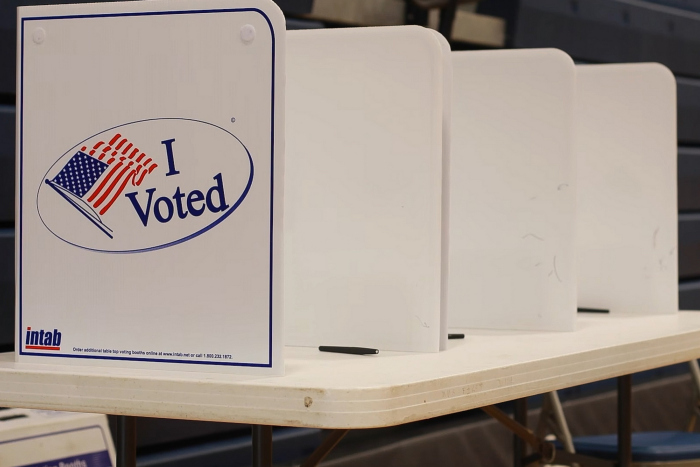
Partiamo dagli States e apriamo i giochi con una scommessa facile. Se oggi si dovessero cercare i Maga, probabilmente – per trasformismo, vergogna o mancanza di convinzione nelle proprie idee- molti negheranno come Pietro. L’ondata blu frammentaria ma che mantiene un legame identitario (il che ricorda ‘un fiume che torna alla sorgente’ per citare Nenni) che ha investito gli USA lascerà il presidente come un re senza corona o saranno due anni ostruzionismo?
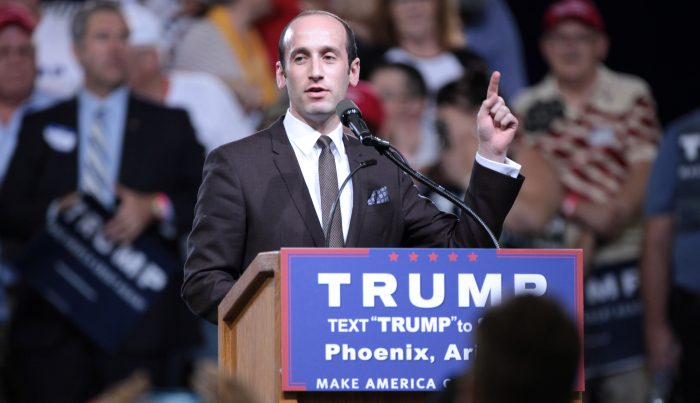
Partiamo da una precisazione. Dopo la Seconda Guerra Mondiale, fu, in un certo senso, la prima e ultima volta che vide coinvolti gli americani nel mondo. L’elemento patriottico è andato diminuendo mentre un’assimilazione dell’immigrazione e un modello di sviluppo capitalistico hanno ingenerato nel suo interno contraddizioni e differenze di classe. Gli americani si accorgono che per aumentare i consumi e la crescita, si sono generate delle diseguaglianze; quindi, hanno meno fiducia nel futuro e non si ritrovano nei cardini attuali. La ricchezza ‘bipolare’ di un tempo sta mostrando i suoi limiti nelle incognite di sintesi. Il paradosso è che la globalizzazione si è tradotta in meno crescita e più individualismo. Il declino è il figlio dell’evoluzioni e delle trasformazioni, con maggiore restringimento degli argini.Non è la prima volta che un presidente americano, si trasforma in quella che loro chiamano “anatra zoppa “; quel che di clamoroso è successo sta nel fatto che entrambi i rami delle istituzioni democratiche sono finite in mano all’opposizione, la quale in questo momento non solo ha la leva del processo legislativo, ma ha anche potere di paralisi su molte decisioni che provengono da quello presidenziale. Difficile che nei mesi che sono succeduti alla lunga campagna elettorale potrà avvenire un patriottico Fairplay, quanto piuttosto è plausibile che verranno ricercati in fretta i presupposti per un impeachment tanto verso gli uomini del presidente quanto verso lo stesso Trump. Quest’ultimo ha messo le mani avanti, non soltanto richiamando il suo potere di veto alle iniziative parlamentari quanto insistere sul presupposto broglio dei risultati elettorali. Una cosa non sta né in cielo né in terra se si calcolano i voti che distanziano il successo elettorali democratico dallo schianto repubblicano.
Negli States hanno ricevuto mandato coloro che si presentavano con energia e coerenza piuttosto che nascondendosi dietro un immobilismo o termini che significano tutto e nulla. Ci si può aspettare cambiamenti radicali? Quali le possibili ripercussioni in Europa?
Il cambiamento radicale sta innanzitutto nella percezione che ormai si ha della imminente caduta dell’inquilino della Casa Bianca. Egli oggi è impegnato nel salvataggio almeno formale delle ragioni che lo hanno spinto ad autodefinirsi un “uomo della pace”.
Per un eventuale successo del negoziato ad Abu Dhabi può generare quantomeno la sensazione che alla fase del disordine, a cui egli ha contribuito in modo formidabile, possa seguire un periodo relativamente lungo di congelamento dei conflitti. Ma per quanto riguarda la lunga pagina che ha prodotto le nuove dottrine dell’autoritarismo nei paesi a democrazia liberale, la dottrina che ha consentito che il potere economico nell’era digitale sia prerogativa di pochi e che questa diabolica alleanza possa essere un prodotto di esportazione nelle singole nazioni del mondo, questo è miseramente fallito. È chiaro che, come ogni moribondo questo sistema cercherà ogni mezzo per restare a galla, le elezioni che si svolgeranno in Europa saranno un banco di prova e queste per i democratici e i liberali saranno una vera corsa di ostacoli poiché le autocrazie tenteranno qualsiasi mezzo per far fallire la riconquista di una prospettiva che ritorni a essere innanzitutto democratica. D’altronde, il capitalismo a-democratico e liberista è fallito ma non è finito. Tenterà di ricostruirsi nelle sue versioni nazionali. E questo è quello che più fa paura, perché dietro la difesa sovranista delle nazioni risorgono le ragioni dei conflitti che prima sono commerciali e gradualmente diventano militari.
Le guerre in corso sembrano ormai più guerre di logoramento che non di strategia, essendo cambiate le armi in termini di costi/ efficacia. Ritornano in auge l’astuzia e la soft suasion. In Israele la situazione non è quella di qualche mese fa e gli scacchisti russi hanno fiutato l’aria. Oltre a presentarsi come partner non aggressivo in Africa, l’Orso ha ripreso a guardare al Medio Oriente. Infatti, si parla dell’invio di centinaia di tecnici nucleari a Busher (Iran), legando di fatto le mani a qualsiasi tentazione di possibili bombardamenti da parte di USA e Israele per ovvi motivi strategico-elettorali. Come mettere a fuoco la geopolitica?
I protagonisti di questa fase del disordine mondiale approfittano dei vuoti che a mano a mano sono cresciuti. L’Europa non è più presente come un tempo in Africa e nel Mediterraneo. La Cina offre sostegni infrastrutturali e tecnologici, la Russia e la Turchia, quelli militari. Israele, cane da guardia dell’Occidente americano, non è più in questo momento la punta più avanzata delle democrazie
liberali europee. Non ritengo che una volta bypassato Netanyahu le cose cambino in maniera repentina.
L’ultimo tassello tra i ‘big’ invece riguarda la Cina. Il suo crescente potere commerciale e, soprattutto, tecnologico nel gotha del power shift globale. Manovre dal manuale di Sun Tzu. Come si evolverà la competizione fra Cina ed USA nel breve periodo a fronte di quanto appena detto?
Pur ricercando le strade della convergenza o della non belligeranza su alcuni asset fondamentali che concernono le industrie di entrambi, è evidente che il bipolarismo mondiale continua a vedere queste grandi nazioni come protagoniste del resto del secolo in cui stiamo vivendo. La Cina, d’altronde, si sta godendo questa straordinaria capacità di crescita che ha avuto in così pochi anni. Le sue insidie maggiori naturalmente nascono dall’interno innanzitutto perché dovrebbe affrontare nei prossimi anni un crescente calo demografico che inciderà moltissimo sulla sua capacità di sostituire la forza lavoro autoctona e ha bisognerà per questo di aprire le porte ai lavoratori stranieri e questo rappresenterà una novità ma anche un rischio per una società abituata a vivere in modo chiuso.
Inoltre, come nel resto del mondo, dovrà affrontare concretamente i rischi che sono portati dal cambiamento climatico che loro contribuiscono a determinare in modo formidabile. Un eccessivo ricorso all’investimento pubblico sulle infrastrutture sugli immobili ha generato un altissimo consumo di suolo che a sua volta genera inquinamento urbano. La società cinese non è in crisi, intendiamoci, però deve affrontare come tutti noi le contraddizioni della crescita economica. Gli americani hanno una fissazione: quella di sconfiggere il loro competitor senza rischiare di inaugurare una nuova guerra, fredda; per questo ingaggiano un corpo a corpo commerciale e nel sottofondo una convergenza fondata sull’ eterogenesi dei fini che li vede entrambi concordare sulla necessità di isolare politicamente gli europei.
New Scenarios: An Interview with Bobo Craxi
We meet with Bobo Craxi as he prepares to join a center-left policy roundtable focused on the thorny issue of foreign policy. It is safe to assume that the core challenges cannot be resolved in a single session; nonetheless, the Socialist contribution—aimed at narrowing the gap between the pro-European political bloc (dominant within the center-left) and those more inclined toward a stance of “unarmed pacifism”—is an effort that needs to be undertaken.
Let’s begin with the United States—a safe starting point for our discussion. If one were to look for “MAGA” supporters today, many would likely—out of political opportunism, shame, or a waning conviction in their own beliefs—deny their allegiance, much like Peter denied Christ. Will the “blue wave”—fragmented yet still bound by a shared identity (reminiscent of Nenni’s metaphor of “a river returning to its source”)—leave the President a king without a crown, or are we headed for two years of obstructionism?
Let’s start with a clarification. In the aftermath of the Second World War, the U.S. experienced a unique moment—perhaps the first and last of its kind—in terms of its global engagement. The patriotic element has since faded, while the assimilation of immigrants and a specific model of capitalist development have given rise to internal contradictions and class divisions. Americans have come to realize that the pursuit of higher consumption and growth has created deep inequalities; consequently, they have less faith in the future and no longer identify with the established pillars of their society. The “bipolar” wealth of the past is now revealing its limitations, leaving us with uncertain outcomes. The paradox is that globalization has resulted in less growth and greater individualism.
This decline is the byproduct of evolution and transformation—a narrowing of the rivers, so to speak. It is not the first time an American president has become what is known as a “lame duck.” What is striking in this instance is that both chambers of the democratic legislature have fallen into the hands of the opposition—an opposition that now not only controls the legislative process but also possesses the power to paralyze many decisions originating from the presidency. It is unlikely that the months following this long election campaign will be marked by patriotic fair play; rather, it is plausible that efforts will quickly be made to lay the groundwork for impeachment proceedings—directed both at the president’s associates and at Trump himself. Trump has sought to pre-empt this, not only by invoking his veto power over congressional initiatives but also by insisting—baselessly—that the election results were fraudulent. Such a claim is entirely detached from reality, especially when one considers the margin of votes separating the Democratic victory from the Republican collapse.
In the United States, the electorate has granted a mandate to those who campaigned with energy and consistency, rather than those who hid behind political stagnation or vague, empty rhetoric. Expected radical changes? What might the repercussions be for Europe?
The radical shift lies, first and foremost, in the growing perception that the current occupant of the White House is on his way out. At present, he is focused on preserving—at least in appearance—the rationale behind his self-styled image as a “man of peace.” Should the negotiations in Abu Dhabi prove successful, they could at the very least foster the impression that the era of disorder—to which he himself contributed so significantly—might be followed by a relatively long period in which conflicts are effectively frozen. As for the long chapter that gave rise to new doctrines of authoritarianism within liberal democracies—doctrines which have allowed economic power in the digital age to become the prerogative of a select few, and that have enabled this diabolical alliance to be exported to nations across the globe—this project has failed miserably. Clearly, like any dying entity, this system will seek every possible means to stay afloat. The upcoming elections in Europe will serve as a litmus test; for democrats and liberals, they will be a true obstacle course, as autocracies will stop at nothing to prevent the restoration of a vision that is, first and foremost, democratic. In short, while a-democratic, neoliberal capitalism has failed, it has not yet come to an end. It will attempt to reinvent itself through various national iterations. And this is the most frightening prospect: behind the sovereigntist defense of nations, the seeds of conflict are being resown, conflicts which begin in the commercial sphere but gradually escalate into military ones.
Current conflicts increasingly resemble wars of attrition rather than strategy, as the cost-effectiveness of weaponry has shifted. Cunning and “soft suasion” are making a comeback. In Israel, the situation differs from what it was a few months ago, and the Russian “chess players” have sensed the change in the air. Beyond positioning itself as a non-aggressive partner in Africa, the “Russian Bear” has turned its gaze back toward the Middle East. Specifically, there is talk of sending hundreds of nuclear technicians to Bushehr (Iran)—a move that effectively ties the hands of the U.S. and Israel, precluding any temptation to launch airstrikes for reasons that are as much strategic as they are electoral. How, then, should we view this geopolitical scenario?
The key players in this era of global disorder are exploiting the power vacuums that have gradually emerged. Europe no longer maintains the presence it once held in Africa and the Mediterranean. China is providing infrastructure and technological support, while Russia and Turkey are supplying military assistance. Israel—long the “watchdog” for the American-led West—no longer serves as the vanguard of European-style liberal democracies. I do not believe that the departure of Netanyahu would lead to any sudden or dramatic shift.
The final piece of the puzzle among the “major powers” concerns China. Its increased commercial—and, above all, technological growth—might place it at the heart of the global power shift. These are maneuvers straight out of Sun Tzu’s playbook. Given this context, how will the competition between China and the U.S. evolve in the near term?
While both nations may seek paths toward convergence or non-belligerence regarding certain fundamental industrial assets, clearly the global bipolar order will continue to be defined by these two powers for the remainder of this century. China, for its part, is reaping the rewards of the extraordinary growth it has achieved in such a short span of time. Its greatest challenges naturally arise from within—first and foremost, the country faces a looming demographic decline that will severely impact its ability to replace its native workforce. This will necessitate opening its doors to foreign labor—a significant shift that also carries risks for a society long accustomed to insularity.
Furthermore, as is the case globally, China must grapple with the tangible risks posed by climate change—a phenomenon to which it is a major contributor. An over-reliance on public investment in infrastructure and real estate has led to extensive land consumption, which in turn fuels urban pollution. To be clear, Chinese society is not in crisis; yet, like the rest of us, it must confront the inherent contradictions of economic growth. The Americans are fixated on a single goal: defeating their competitor without risking the onset of a new Cold War. To this end, they are engaging in a commercial struggle, while simultaneously—through a process of “heterogony of ends”—finding common ground in the shared belief that the Europeans should be politically isolated.